

 عربى
عربىWall Switches Evolving Beyond Lights: Dimmers, Sensors, and Full-Home Automation
Smart wall switches were once limited to basic on/off light control. Today, wall switch factories are transitioning toward multifunction models capable of managing various aspects of home automation. This shift is redefining the role of the wall switch within connected living spaces.
- Expansion of Control Capabilities:Manufacturers are producing wall switches that support dimming functions for adjustable lighting comfort. These switches allow users to choose brightness levels suited for activities such as reading, relaxing, or working. This helps create adaptive, user-focused environments.Advanced sensor integration is also becoming more common. Many factories now offer wall switches with motion sensors, ambient light detection, and temperature monitoring. These features support automated routines such as turning lights on when movement is detected or adjusting brightness depending on daylight levels.
- Integration With Smart Home Ecosystems: Wall switches are increasingly compatible with major smart home ecosystems, enabling centralized management. Users can integrate switches with voice assistants, mobile apps, or smart panels for streamlined control. Factories are responding to this demand by embedding wireless protocols—such as Wi-Fi, Zigbee, and Matter—directly into switch modules.
- Path Toward Full-Home Automation: Beyond lighting, smart wall switches are now expanding into control of fans, ventilation systems, small appliances, and even security features. Factories are creating switch models that serve multiple rooms and functions in a more holistic home automation environment. This helps reduce device clutter and improves the overall experience of managing connected systems.
Smart wall switch factories are no longer producing single-function devices. They are building platforms for wider automation, reflecting a major shift in how homeowners interact with their living spaces.
Demand for Aesthetic, Minimalist Wall Switch Rises in Modern Homes
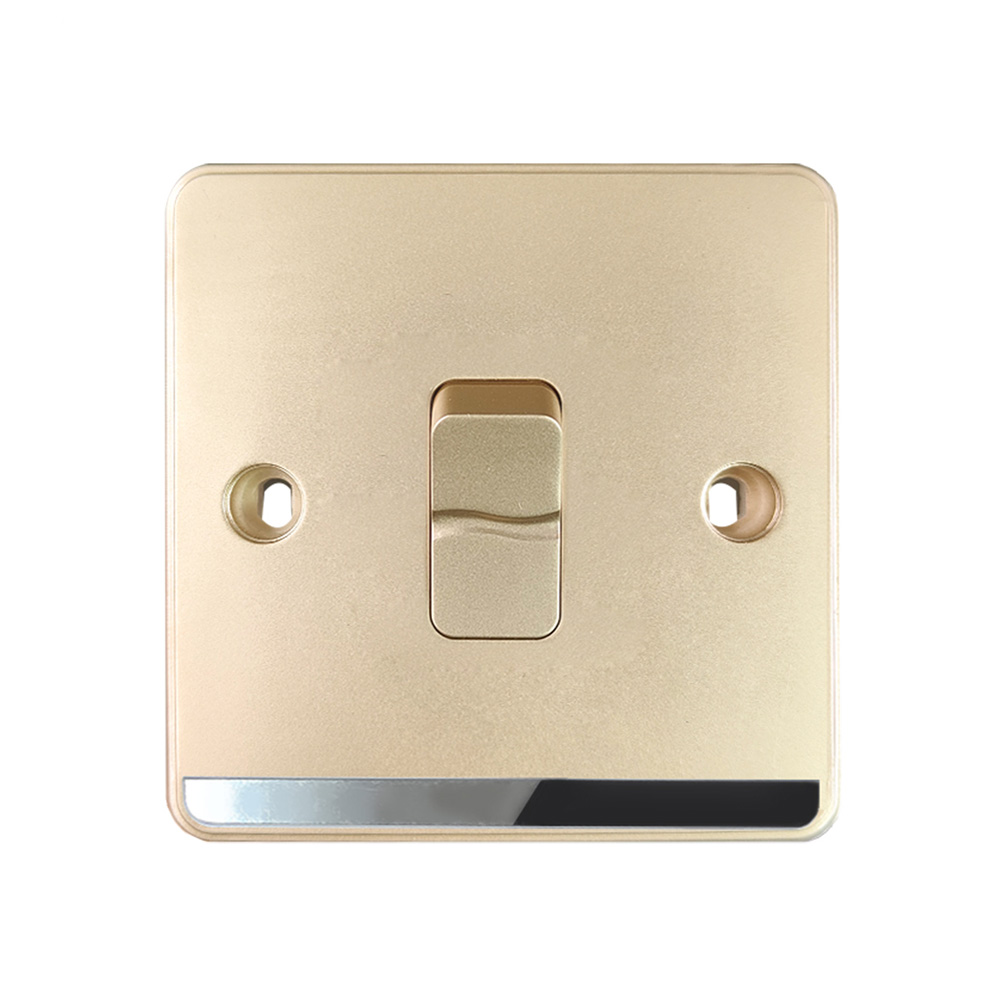
Homeowners today expect wall switches to complement interior design rather than simply perform technical functions, and factories are adjusting their production strategies to meet these aesthetic expectations. Modern wall switch collections increasingly feature clean lines, slim profiles, and neutral colors, allowing the devices to blend smoothly into walls and contribute to a harmonious visual environment. In response, manufacturers are reducing visible components, simplifying bezel structures, and offering matte and smooth-touch finishes.
High-quality materials are playing a growing role in these designs. Fire-resistant polycarbonate, tempered glass, aluminum alloy frames, and scratch-resistant coatings provide durability while enhancing visual appeal. To accommodate diverse interior styles across global markets, factories also offer customizable options, including color variants, panel textures, and personalized button configurations. Decorative frames and modular layouts allow installers to adapt switches to different rooms and architectural styles, ensuring that functionality aligns with design.
Some wall switches integrate invisible or soft-touch activation, enabling users to interact with touch surfaces rather than traditional physical buttons. Subtle LED illumination helps users locate switches without disrupting the aesthetic flow of a room. This combination of style, functionality, and advanced technology has become a key selling point for modern homes. The growing interest in minimalist aesthetics is driving wall switch manufacturers to merge engineering precision with design-focused production, creating devices that enhance both utility and interior appeal.
Smart Wall Switch Factories Expand Product Portfolios and Global Supply Chains
Rising demand for advanced smart switches has led manufacturers to broaden their product lines and develop a wider range of offerings. Factories now produce not only traditional switches but also smart dimmers, touch-panel switches, modular switch systems, sensor-based wall controls, energy-monitoring switches, multi-gang smart panels, and retrofit-ready models for older homes. Expanding product diversity allows manufacturers to meet the varied requirements of residential, commercial, and hospitality sectors while providing solutions that adapt to modern lifestyles and evolving technology needs.
To reach global markets, factories align production with international standards and certifications, including CE, ETL, FCC, and RoHS. This approach facilitates smoother access to regions such as North America, Europe, the Middle East, and Southeast Asia, while ensuring product reliability and safety across diverse market regulations. At the same time, manufacturers strengthen supply chain partnerships by collaborating closely with component suppliers, logistics providers, and local distributors, often adopting flexible production models to reduce lead times, manage costs efficiently, and maintain reliable delivery schedules.
Automation also plays an increasingly important role in manufacturing. Many factories integrate automated assembly, precision molding, and robotic testing systems to ensure consistent quality while supporting larger production volumes. These strategies reflect the growing global significance of smart wall switch factories and underscore the expanding role of connected home solutions across worldwide markets. Continuous innovation in materials, interface design, and connectivity features ensures that new products meet consumer expectations for convenience, efficiency, and aesthetic appeal.
Why Modern Wall Switch Designs Matter for Home Automation
The design of a smart wall switch plays a significant role in the functionality of a home automation system. Factories are adopting design approaches that ensure both convenience and usability.
- User-Centered Interaction: Switch placement, button layout, and tactile feedback all influence how users interact with their homes. Modern switches aim to provide intuitive control without requiring complex learning. For example, switches designed with clear symbols or softly lit indicators help users navigate controls during nighttime or low-light conditions. Touch-based designs reduce mechanical wear and provide a smoother experience.
- Role in System Stability and Safety: Modern wall switches also support safe power distribution and consistent connectivity. Internal components, such as high-temperature-resistant wiring and improved relay modules, help maintain system reliability. Factories place emphasis on testing to ensure stable performance under long-term use.
- Aesthetics as Part of the Automation Experience: In smart homes, technology blends with interior style. A well-designed switch contributes to the overall visual appeal of a room. This harmony supports the broader goal of creating environments where technology enhances comfort without appearing intrusive.
- Compatibility and Integration: Well-designed switches are easier to pair with mobile apps, smart panels, and automation routines. Manufacturers focus on ensuring that the appearance and interface of the switch match the digital experience delivered by the app. This reduces friction when users transition between physical and digital controls.
Modern switch design is not only about appearance—it influences the practicality, safety, and enjoyment of smart home systems.
Energy-Efficient and App-Based Smart Switches Drive Market Growth
Energy efficiency and mobile-app connectivity are among the primary factors driving demand for smart wall switches in global markets. Manufacturers are focusing on these features to guide production strategies and meet evolving consumer expectations. Modern smart switches often include energy-monitoring functions that display estimated electricity consumption, helping homeowners understand and manage usage more effectively. Designs with low standby power further reduce unnecessary energy expenditure, contributing to overall household efficiency.
App-based control is becoming increasingly popular, allowing users to manage switches remotely and create automation schedules that optimize lighting according to daily routines. For instance, lights can turn off automatically during the day or adjust brightness levels in the evening, enhancing both convenience and energy savings. Smart switches with adaptive brightness and ambient-light sensors maintain comfortable illumination while avoiding unnecessary energy use, reflecting a careful balance between comfort and efficiency.
Usage analytics and energy-saving compatibility with LED lighting systems provide additional benefits, allowing homeowners to track patterns and make informed decisions to improve efficiency. Wall Switch Factories are also integrating multi-protocol wireless chips into new models, ensuring smooth, energy-conscious communication across broader smart home ecosystems. Builders and renovation companies increasingly specify energy-efficient smart switches for new homes and modern apartments, further boosting market adoption.