

 عربى
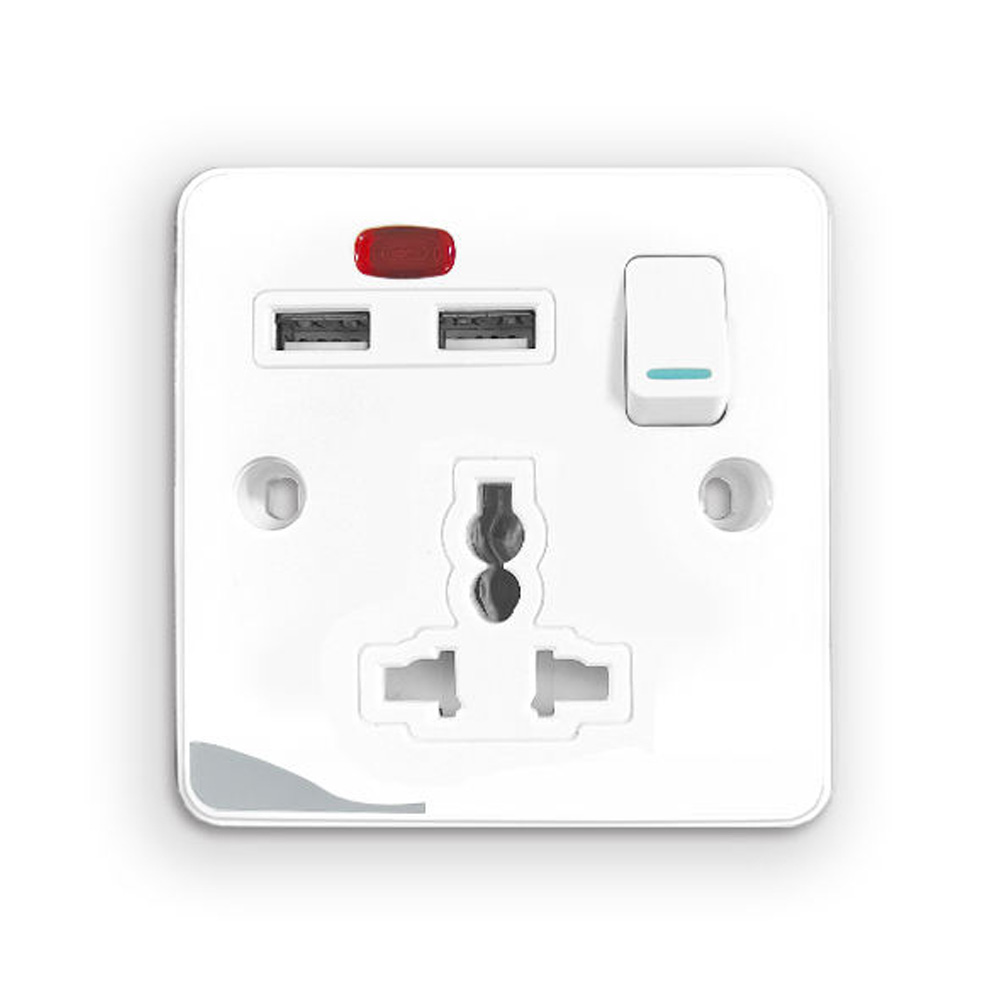
عربىChina’s switch socket factory industry has developed into a major global supplier of electrical accessories, offering strong production capacity and reliable quality control. Many factories use automated equipment, fire-resistant materials, and stable internal components to meet domestic and international standards. In recent years, manufacturers have expanded into smart socket development, adding functions such as remote control and energy monitoring. OEM and ODM services are also widely provided, allowing buyers to request customized designs, voltage options, and branding.
Revolutionizing Smart Electrical Socket Designs for Modern Living Spaces
Modern living spaces have transformed in layout, function, and aesthetic orientation, prompting switch socket factories to rethink traditional design principles. Contemporary homes increasingly incorporate minimalistic interior styles, concealed wiring systems, and multifunctional furniture. This shift encourages manufacturers to develop slim-profile faceplates, smooth edges, and materials that harmonize with various interior themes. The traditional mechanical toggle switch is gradually being replaced by touch-control surfaces that offer a cleaner appearance and simplified operation. These refined designs not only contribute to interior consistency but also reflect the rising preference for integrated smart home environments.
Smart sockets are becoming standard features in new construction projects, allowing users to manage appliances through mobile apps or home automation panels. The ability to schedule power usage, monitor consumption, and control devices remotely supports homeowners who want greater visibility over their electrical systems. Manufacturers are also prioritizing durability by enhancing internal wiring structures, upgrading copper components, and using flame-resistant materials that withstand frequent use. More households are installing energy-dense appliances, which increases the need for stable and secure socket solutions. This rising demand encourages factories to broaden their product lines and offer models designed to handle a wide range of electrical loads.
Impact of Global Energy Trends on Electrical Socket Innovations
Energy consumption patterns around the world are influencing the way electrical sockets are designed and produced. More devices now operate at the same time in homes and offices, so switch socket factories focus on components that maintain efficient power distribution. The increase in energy-awareness campaigns encourages consumers to adopt products that reduce unnecessary electricity loss. This motivates manufacturers to incorporate mechanisms that limit standby power and stabilize voltage during fluctuating supply conditions. These improvements help reduce waste over long-term use and contribute to more balanced consumption habits.
Renewable energy installations are becoming common in residential settings, so sockets need to adapt to diverse power sources such as solar arrays and hybrid storage units. This trend increases the importance of temperature-control features, heat-resistant materials, and internal components capable of handling irregular but high-power outputs. Factories are also designing sockets compatible with future energy management platforms, allowing users to coordinate consumption data from multiple rooms or zones. These updates reflect a broader movement toward integrating small electrical components into holistic home energy ecosystems.
Integration of IoT Technology in Future Electrical Socket Systems
The integration of IoT functions into switch socket products marks a major step toward fully connected living environments. IoT-enabled sockets can exchange data, respond to user commands, and support automated routines. This transforms a standard wall outlet into an intelligent node capable of interacting with lighting systems, climate-control equipment, or home security devices. Factories specializing in smart socket production are incorporating wireless modules that allow stable communication through Wi-Fi or Bluetooth within typical household interference conditions. This ensures consistent system performance, even in environments with multiple connected devices.
Factories are enhancing socket safety by integrating features that detect abnormal heat buildup, unexpected power surges, or malfunctioning loads. Such detection mechanisms can trigger automatic shutoff functions that protect appliances as well as wiring infrastructure. IoT sockets also benefit commercial spaces, where centralized dashboards help facility managers monitor usage patterns across several floors or rooms. By collecting real-time data, organizations can schedule maintenance more effectively and plan energy-saving strategies. Privacy and security remain concerns, so manufacturers adopt encryption technologies to protect user information and ensure secure communication between devices and servers.
Customization and OEM/ODM Services Driving Growth in Switch Socket Factories
Customization and OEM/ODM production are now essential elements driving the growth of switch socket factories. International buyers seek products that align with regional standards, cultural preferences, and unique branding requirements. This encourages manufacturers to offer flexible design adjustments such as color variations, faceplate textures, logo engraving, and socket configurations that fit different power systems.
Many factories have adopted digital modeling tools and rapid prototyping technologies to accelerate the development cycle. This allows clients to test concepts quickly, modify structural components, and verify compatibility before mass production. The demand for smart socket variants has also increased the need for customization as buyers request specific app interfaces, communication chipsets, or connectivity features. To support diverse organizational requirements, factories maintain separate production lines for standard mechanical models and advanced intelligent modules. This dual-structure approach helps them serve both traditional markets and rapidly growing smart home sectors.
OEM and ODM services also provide factories with opportunities to expand into new geographic regions. By understanding the regulatory guidelines, plug types, and usage habits of different countries, manufacturers can create product variations that meet export standards. This global adaptability strengthens the position of switch socket factories in competitive international markets and encourages ongoing technological development.
Safety Standards and Regulatory Changes Affecting Socket Technology
Safety remains one of the most critical aspects influencing the design and production of switch sockets in China. Continuous updates to national standards ensure that products meet rigorous performance expectations. These standards guide factories on material selection, internal wiring structures, grounding requirements, and load-bearing capacities. Regulatory changes are taking effect, so manufacturers adjust their processes to comply with enhanced safety specifications. This includes stricter testing for temperature rise during prolonged operation, more precise measurements of contact resistance, and improved flame-retardant performance in key components.
Factories are upgrading production lines with automated equipment that enhances precision and consistency. Sensors embedded within manufacturing systems monitor defects, test electrical conductivity, and verify assembly accuracy in real time. These improvements reduce human error and support stable output quality. Compliance with updated regulations also prepares factories for export responsibilities, as many international markets require alignment with global standards before products are allowed into commercial distribution channels.
The emphasis on safety has led to broader adoption of high-quality raw materials and reinforced structural designs. Consumers increasingly value sockets that minimize risks such as overheating or short-circuit incidents, especially in densely populated residential areas. As a result, manufacturers prioritize engineering solutions that increase reliability under daily usage conditions. This alignment between regulatory frameworks and consumer expectations plays an important role in shaping future product development strategies.
Conclusion
The switch socket industry is advancing through a combination of smarter designs, data-driven technologies, evolving energy considerations, and strengthened regulatory frameworks. Modern living spaces continue to incorporate digital conveniences and adaptive infrastructure, so factories play a vital role in supplying components that meet shifting demands. IoT integration, customization services, and enhanced safety compliance are key factors defining this period of development. Continuous innovation and active global market engagement help switch socket factories remain prepared to support the expanding needs of residential, commercial, and industrial environments in the years ahead.