

 عربى
عربىThe global electrical infrastructure market continues to develop alongside rapid urban construction, digital home systems, and evolving consumer preferences. No longer limited to basic manufacturing, many factories now integrate product development, material innovation, automated production, and energy-efficient manufacturing practices.
Several key developments illustrate this shift. More brands are working with OEM switch manufacturers to support product diversification and global distribution. Material selection is also changing as manufacturers search for durability, safety, and design flexibility. Production lines are adopting energy-saving technologies to reduce operational impact.
Why More Brands Choose OEM Switch Socket Factories
A noticeable trend in the electrical hardware market involves brands collaborating with OEM manufacturers instead of building independent production facilities. This strategy allows companies to focus on product design, branding, and distribution while relying on specialized factories to handle production.
OEM switch socket factories often maintain advanced tooling systems, automated assembly lines, and established supply chains. These resources allow them to manufacture large quantities of electrical products efficiently while maintaining consistent quality standards. For emerging brands or design-focused companies, this model reduces the complexity associated with establishing a complete manufacturing operation.
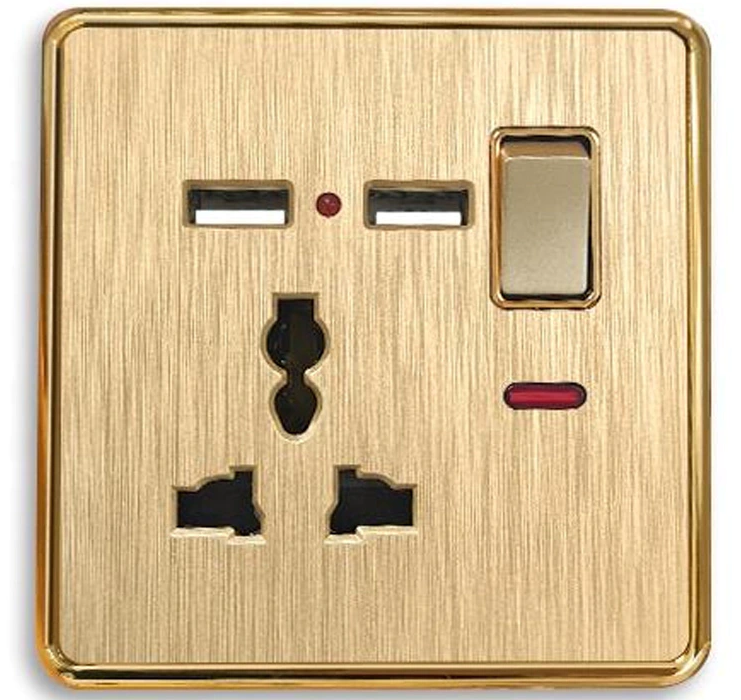
Another factor encouraging OEM cooperation relates to product diversity. Modern buildings require different types of switches and sockets, including USB charging outlets, smart switches, dimming controls, and modular electrical panels. Developing and producing such a wide range of products requires flexible manufacturing capabilities. OEM factories often maintain modular production systems capable of adapting to multiple product formats.
Customization also plays an important role. Brands frequently request distinctive finishes, panel shapes, and color variations to match interior design trends. OEM factories can adjust mold designs, materials, and assembly processes to accommodate these requests. This flexibility allows brands to release new product collections without rebuilding their own factories.
Global distribution networks further strengthen the OEM model. Switch socket factories that serve international markets usually understand electrical certification requirements in different regions. Compliance with safety standards, voltage specifications, and installation systems becomes easier when experienced manufacturers manage production.
The growing complexity of electrical devices also encourages collaboration. Smart switches, integrated sensors, and wireless communication modules require precise assembly processes. OEM factories that specialize in electrical hardware manufacturing often maintain dedicated testing equipment and electronic integration systems. Brands can therefore introduce advanced products without establishing entirely new engineering departments.
Material Selection Trends in Modern Switch Socket Factories
Material selection has always influenced the performance and durability of electrical switches and sockets. As consumer expectations expand beyond simple functionality, manufacturers are exploring a wider range of materials to balance safety, aesthetics, and long-term stability.
Traditional thermoplastics remain widely used in switch socket production. Materials such as polycarbonate and flame-retardant polymers offer strong electrical insulation and heat resistance. These characteristics support safe operation in residential and commercial environments where electrical components operate continuously.
However, recent product development trends show increasing interest in alternative materials that enhance appearance and tactile quality. Metal panels, glass surfaces, and ceramic coatings are gradually appearing in premium switch collections. These materials provide visual diversity that aligns with contemporary interior design styles.
Metal surfaces, including aluminum alloy panels, create a minimalist appearance that matches modern architectural aesthetics. These materials also offer structural strength and resistance to surface wear. Many switch socket factories process metal panels using precision cutting and surface finishing techniques that ensure compatibility with internal electrical components.
Ceramic coatings and high-density composite materials represent another emerging material category. These materials provide strong heat resistance and chemical stability, which can support long-term electrical safety. Their surfaces can also be textured or colored to match various decorative environments.
Environmental considerations influence material choices as well. Some manufacturers are exploring recyclable plastics or materials that require less energy during processing. While electrical safety requirements remain strict, efforts to reduce environmental impact are gradually shaping material selection strategies.
Material innovation allows switch socket factories to produce products that function reliably while also meeting evolving expectations related to design and sustainability.
Switch Socket Factories Move Toward Energy-Saving Production Lines
Manufacturing processes for electrical hardware traditionally involve injection molding, metal stamping, assembly operations, and quality testing. These activities require considerable electrical power, especially in large-scale production environments. In response, many switch socket factories are introducing energy-saving production technologies.
Automation has become an important component of this transformation. Robotic assembly systems can perform repetitive tasks such as component placement, screw fastening, and packaging operations. Automated systems reduce material waste and maintain consistent assembly accuracy, which helps improve overall production efficiency.
Energy-efficient injection molding equipment also plays a role in reducing power consumption. Modern molding machines use servo-driven mechanisms that adjust energy usage based on the molding cycle. Compared with earlier hydraulic machines, these systems can operate with lower energy demand during idle periods.
Digital monitoring tools allow manufacturers to analyze energy consumption across different stages of production. Sensors placed on machines can track electricity use, production speed, and equipment performance. Production managers can use this data to identify opportunities for efficiency improvements and equipment upgrades.
Cooling systems also contribute to energy optimization. Injection molding processes require controlled cooling cycles to maintain dimensional accuracy in plastic components. New cooling technologies use closed-loop water systems that regulate temperature while reducing resource consumption.
These developments demonstrate that energy-conscious manufacturing practices are becoming an integral part of modern switch socket factory operations.
Smart Wall Panels Gain Attention Among Technology Enthusiasts
The rise of smart home ecosystems has expanded interest in intelligent wall panels and connected switches. Technology enthusiasts increasingly view the wall switch not only as a lighting control device but also as a central interface for home automation.
Smart wall panels can integrate multiple functions into a single control surface. Lighting, climate systems, security sensors, and entertainment devices can be connected to one panel. This integration allows users to manage different aspects of the home environment using a simplified interface.
Touch-sensitive surfaces and digital displays contribute to the appeal of these devices. Glass panels combined with capacitive touch sensors allow users to control lighting levels or activate preset home scenes. Some systems include small displays that show room temperature, energy usage, or system notifications.
Wireless connectivity enables communication between switches and other smart devices. Protocols used in home automation systems allow switches to interact with smart bulbs, voice assistants, and mobile applications. Technology enthusiasts often appreciate the ability to customize control settings and automation routines.
Design considerations also influence the popularity of intelligent wall panels. Minimalist panel surfaces align with contemporary interior architecture, which often emphasizes clean lines and simplified hardware. Some switch socket factories collaborate with industrial designers to create panels that complement modern living spaces.
Software development has become part of the manufacturing ecosystem as well. Smart switch systems rely on firmware and mobile applications that allow users to configure automation functions. Some manufacturers maintain development teams dedicated to improving software compatibility and user experience.
Another aspect that attracts attention involves energy awareness. Smart panels can monitor electricity consumption in connected lighting circuits or appliances. Real-time energy data helps users understand how daily activities influence power usage. This information can encourage more responsible energy habits in households.