


 عربى
عربىThe global electrical components industry is experiencing renewed interest in traditional materials that combine durability, insulation performance, and distinctive visual appeal. Among these materials, bakelite remains widely recognized for its heat resistance and structural stability. Manufacturers are adapting to evolving demand patterns in residential construction, commercial renovation, and retro-inspired interior design.
Recent developments show that bakelite switch manufacturing is no longer limited to conventional production methods. Instead, factories are introducing automation, integrating design collaboration, and responding to international market demand. These shifts are shaping how electrical switches are produced, designed, and distributed across the global market.
Global Bakelite Switch Factory Automation Accelerates Manufacturing Transformation
Automation is becoming a central factor in the operational strategy of many bakelite switch factories. Modern production lines incorporate robotic handling systems, digital monitoring platforms, and precision molding equipment. These upgrades help manufacturers improve consistency in product dimensions and reduce variations in assembly processes.
In a traditional bakelite switch factory environment, production involved multiple manual stages including molding, trimming, assembly, and inspection. Automation introduces coordinated workflows where machines perform repetitive tasks and operators supervise system performance. This structure improves production rhythm and allows factories to maintain stable output levels even when demand fluctuates.
Another transformation involves digital monitoring. Smart manufacturing platforms collect operational data during molding temperature control, pressure adjustment, and curing cycles. Engineers analyze this information to identify inefficiencies and refine production parameters. Continuous monitoring also reduces the likelihood of defects that could affect insulation reliability or structural durability.
Automation also improves worker safety and workplace efficiency. Heavy handling of molded components, exposure to high-temperature molds, and repetitive assembly actions are gradually replaced by mechanized operations. Workers shift toward roles that involve equipment management, quality evaluation, and technical supervision.
These technological adjustments indicate that bakelite switch factories are entering a new phase of manufacturing capability. Automation does not replace craftsmanship entirely, yet it supports a more structured production system that aligns traditional materials with contemporary manufacturing standards.
Bakelite Switch Factory Revives Classic Switch Design in Interior Spaces
Interior designers and architects are increasingly rediscovering bakelite switches due to their distinctive appearance and tactile characteristics. The material’s deep color tones, subtle texture, and sturdy structure create visual contrast in modern interiors. In residential renovations and hospitality projects, bakelite switches often appear in spaces that blend contemporary layouts with vintage design elements.
A bakelite switch factory plays an important role in translating design concepts into functional electrical components. Designers frequently request switch plates and rotary mechanisms that reflect classic industrial aesthetics. Factories respond by developing molds that reproduce traditional shapes while maintaining compatibility with current electrical systems.
The appeal of bakelite switches also lies in their material properties. Bakelite demonstrates strong electrical insulation and resistance to heat, making it suitable for applications where durability and safety remain essential. Designers appreciate the balance between decorative value and practical performance.
Color variations have also become part of modern product development. Traditional black and brown tones remain popular, yet factories are experimenting with additional finishes that integrate well with wood surfaces, stone walls, and metal accents. These visual variations expand the potential of bakelite switches beyond strictly retro environments.
Another aspect influencing design revival is tactile interaction. Mechanical switches made from bakelite often provide clear feedback during operation. The tactile response creates a sense of interaction that differs from touch-sensitive panels commonly used in contemporary electronics. Some designers intentionally incorporate this physical feedback to enhance the user experience in living spaces.
Collaborations between designers and bakelite switch factories illustrate how traditional materials continue to inspire modern interiors. The design community values authenticity and craftsmanship, and bakelite switches contribute an element of character that standard plastic switches rarely replicate.
Overseas Home Improvement Markets Encourage Bakelite Switch Factory Order Growth
Demand across overseas home improvement markets has created new opportunities for bakelite switch factories. Renovation projects in Europe, North America, and parts of Asia increasingly incorporate retro design features. Electrical components that match vintage aesthetics often become part of renovation plans for residential and hospitality spaces.
The growth of international e-commerce platforms also allows smaller brands and distributors to source bakelite switches directly from manufacturers. Online marketplaces simplify cross-border purchasing and enable factories to reach a wider range of customers.
The following table illustrates a simplified overview of international demand trends observed across several regional markets. The figures represent estimated market activity indicators rather than precise production data.
| Region | Renovation Demand Index | Retro Design Interest | Import Activity Level |
| Europe | 78 | 82 | Medium to High |
| North America | 74 | 79 | Medium |
| Southeast Asia | 65 | 70 | Growing |
| Middle East | 60 | 66 | Moderate |
| Australia | 68 | 72 | Stable |
In Europe, restoration of historical buildings and apartments contributes to demand for traditional electrical fittings. Designers working on heritage buildings often select bakelite switches to maintain architectural authenticity.
North America shows steady demand connected to boutique hotels, creative office spaces, and residential renovations. Interior designers frequently combine industrial-style elements such as exposed brick, metal fixtures, and bakelite switches.
These patterns indicate that international demand does not depend solely on electrical functionality. Cultural and design preferences influence purchasing decisions. Bakelite switch factories that monitor these trends can adapt production strategies to align product variations with regional preferences.
Bakelite Switch Factory Integrates Modern Safety Standards into Product Development
Electrical safety standards continue to evolve across global markets, requiring manufacturers to update product structures and testing procedures. A bakelite switch factory must ensure that traditional materials comply with contemporary electrical regulations and installation practices.
Product development teams often evaluate insulation properties, mechanical durability, and resistance to heat or electrical stress. Testing procedures simulate repeated switch operations, environmental temperature changes, and load conditions. These tests verify that switches maintain stable performance during extended use.
Contact materials inside switches also receive attention during product development. Engineers refine the structure of internal metal components to ensure reliable electrical connections. Improved contact mechanisms help reduce wear during repeated switching cycles.
Another area of improvement involves protective design elements. Modern bakelite switches may incorporate protective shutters, reinforced terminals, and improved mounting structures. These adjustments enhance safety during installation and everyday operation.
Compliance with international certification standards also shapes production planning. Factories frequently coordinate testing procedures that correspond to certification requirements in different regions. This preparation simplifies export processes and strengthens confidence among distributors and installers.
Bakelite Switch Factory Expands into Customized Electrical Accessory Markets
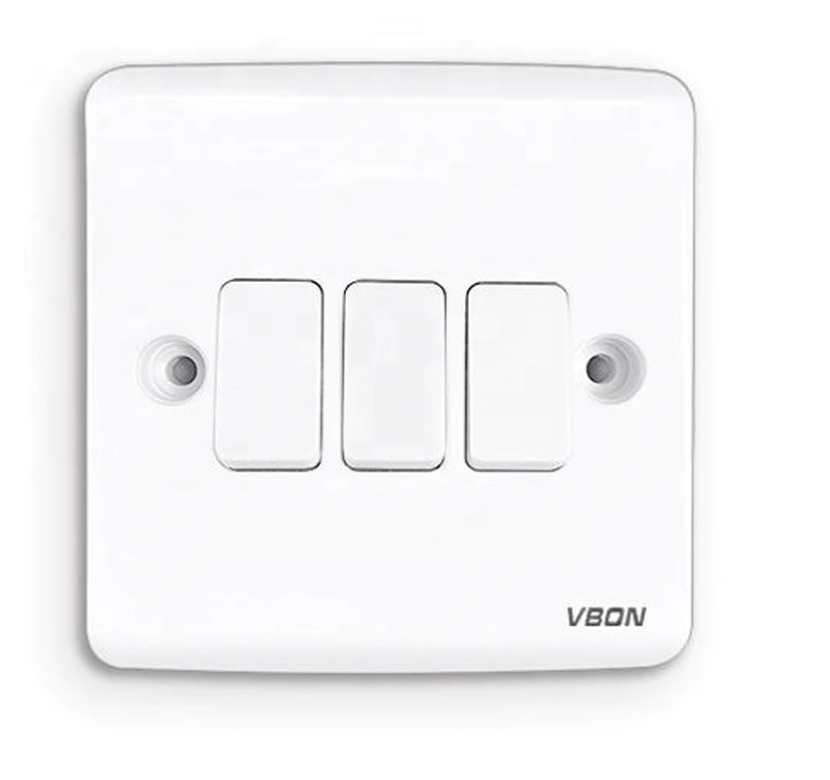
Customization is becoming an increasingly significant element in the electrical accessories sector. Many customers seek switch designs that match specific architectural themes or branding concepts. In response, bakelite switch factories are expanding their capability to produce customized electrical components.
Customization can involve variations in plate shape, switch mechanism style, color tone, and mounting structure. Designers working on residential projects sometimes request unique switch panels that align with furniture layouts or decorative wall finishes. Commercial environments such as boutique hotels or restaurants may require switch designs that complement interior branding.
To support customization, factories often adopt flexible mold development processes. Modular tooling systems allow engineers to adjust specific parts of a switch structure without redesigning the entire mold. This approach reduces development time and allows smaller production batches.
Another dimension of customization relates to integrated functions. Some customers request switches that include dimming capabilities, indicator lights, or combined socket modules. Factories adapt internal components to accommodate these functional variations while maintaining the classic bakelite exterior.
Customization also influences packaging and branding strategies. Manufacturers sometimes provide private labeling services or unique packaging designs that reflect the identity of distributors or retail brands.
This expansion toward customization indicates that bakelite switch factories are not limited to standardized products. Instead, they are developing flexible manufacturing systems that accommodate diverse design preferences and functional requirements.
Conclusion
The evolution of the Bakelite switch factory reflects broader changes occurring across the electrical components industry. Automation technologies are reshaping manufacturing processes, allowing factories to produce consistent components while improving operational efficiency. Designers appreciate the distinctive appearance and tactile characteristics associated with bakelite materials.
International markets continue to influence production strategies, especially in regions where vintage architectural elements remain popular. Flexible mold design, digital modeling tools, and adaptable production workflows allow factories to respond to specialized design requests and evolving consumer preferences.
