

 عربى
عربىProduct Range and Trade Opportunities
Black switch suppliers have seen a steady expansion in their product portfolios, reflecting the diverse requirements of global markets. From standard toggle switches to modular wall switches and high-sensitivity touch switches, suppliers offer a wide array of options to meet both residential and industrial needs. This diversity enables suppliers to cater to different customer segments, ranging from construction projects to smart automation systems.
The trade potential for black switches remains significant, particularly as global infrastructure projects and urban development initiatives increase demand for versatile electrical components. Suppliers often participate in international trade fairs and online B2B marketplaces, allowing buyers and distributors to assess available products and establish partnerships efficiently. Additionally, product customization through OEM channels allows suppliers to tailor designs to the specifications of overseas clients, expanding their reach into varied market niches.
Inventory levels and production scheduling are crucial factors in maximizing trade opportunities. Suppliers with flexible production lines can adjust manufacturing volumes based on order forecasts, ensuring that demand spikes do not lead to stockouts. Meanwhile, reliable distribution networks are essential to maintain timely delivery, which strengthens supplier credibility and supports repeat business. Suppliers are increasingly exploring regional distribution hubs to reduce transit times and improve customer service. Incorporating digital tracking systems and advanced logistics software enables real-time monitoring of shipments, minimizing errors and delays. Such strategies not only enhance operational efficiency but also foster stronger relationships with international buyers who prioritize timely and consistent supply.
Global Focus on Touch Switches and OEM Customization
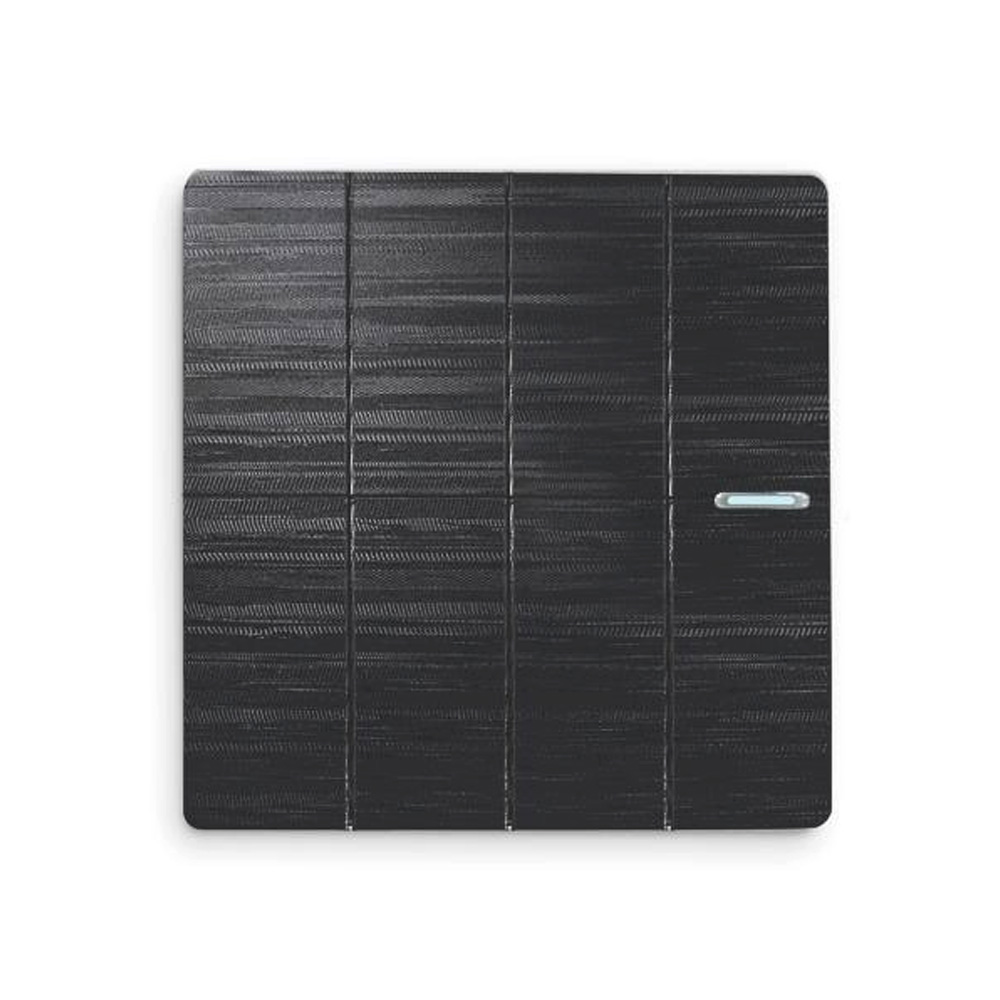
The global market has shown increasing interest in black touch switches due to their aesthetic appeal and integration with smart home and industrial automation systems. Touch switches allow for smooth user interactions and can integrate with mobile applications, voice assistants, or automated control systems, enhancing overall convenience and efficiency.
OEM customization remains a key strategy for suppliers aiming to capture international clientele. Customized black switches can include specific design elements, voltage ratings, materials, or interface options. Providing these tailored solutions allows suppliers to meet unique requirements and build long-term partnerships among manufacturers, distributors, and project developers worldwide. This approach also allows suppliers to differentiate their offerings in a competitive market, highlighting the functional and design versatility of black switches.
Increasing focus on energy-efficient and smart devices in urban and residential projects positions black touch switches as a visually appealing and technologically integrated solution. Suppliers focusing on innovation and adaptability are better positioned to respond to these evolving market expectations.
Smart Industry Transformation and Supplier Innovation
The switch manufacturing sector is undergoing a significant transformation through smart industry practices. Suppliers are adopting automation technologies such as computer-aided testing, robotic assembly, and advanced production monitoring systems to improve manufacturing efficiency and consistency.
These upgrades allow black switch suppliers to refine product quality and reduce production errors. For example, automated calibration ensures that touch switches respond accurately to user input, while robotics streamline assembly processes for modular switches. Advanced coating technologies enhance durability, resistance to wear, and safety under electrical load.
Smart manufacturing also supports rapid product iteration, allowing suppliers to respond to new market demands or regulatory requirements. By leveraging data analytics, suppliers can identify trends in consumer behavior and adjust production accordingly. These innovations are crucial for suppliers seeking to maintain competitiveness while managing operational costs and production complexity.
Logistics Challenges for Black Switch Suppliers
Despite technological advancements, black switch suppliers face logistical challenges that can impact delivery schedules and cost efficiency. International shipments are affected by factors such as customs regulations, transportation delays, and freight cost fluctuations. Suppliers must coordinate with shipping partners and local distributors to minimize these risks and ensure timely deliveries.
Storage and handling requirements for black switches vary depending on materials, design, and sensitivity. Touch switches, in particular, require careful packaging to prevent surface damage and maintain functional integrity. Suppliers who implement robust logistics and inventory tracking systems are better equipped to handle these challenges and maintain reliable service standards.
The rise of e-commerce and online trade platforms has increased expectations for shorter lead times and consistent delivery performance. Black switch suppliers are increasingly adopting integrated supply chain management solutions, including real-time tracking and warehouse automation, to optimize distribution efficiency and reduce bottlenecks.
Inventory Management and Delivery Optimization
Effective inventory management is vital for black switch suppliers seeking to balance supply with fluctuating demand. Maintaining adequate stock of commonly used switch models ensures that suppliers can fulfill orders promptly, while avoiding overstocking reduces storage costs and capital tied up in inventory.
Many suppliers are investing in digital inventory management tools, enabling real-time visibility into stock levels, automated reorder alerts, and predictive demand forecasting. This level of oversight allows suppliers to anticipate shortages or surpluses, thereby improving operational efficiency.
Optimizing delivery processes involves collaboration with logistics providers, streamlining packaging methods, and prioritizing orders based on urgency and destination. Efficient handling reduces the risk of damage during transit and enhances customer satisfaction. Coordinated inventory and delivery strategies allow suppliers to maintain consistent lead times, reinforcing trust among global buyers.
Manufacturing Improvements and Cost Control Strategies
Black switch suppliers are continuously exploring manufacturing improvements to enhance product quality and operational efficiency. Advancements in materials, such as reinforced polymers or conductive coatings, have improved switch durability and reliability without significantly increasing production costs.
Suppliers also employ modular design principles to simplify assembly, reduce waste, and enable scalable production. Standardizing components across different switch models allows suppliers to leverage bulk procurement, reducing raw material expenses while maintaining consistent quality.
Process optimization, such as implementing lean manufacturing techniques or automated quality inspections, further supports cost control. These measures minimize errors, reduce labor costs, and ensure compliance with industry safety standards. By maintaining efficient production workflows, suppliers can offer competitive pricing to buyers while preserving profitability.
Continuous evaluation of supplier networks for raw materials and packaging ensures cost-effective sourcing and reduces dependency on single vendors. Diversifying supply chains mitigates risks associated with price volatility or regional disruptions, contributing to stable production planning and delivery schedules.
Conclusion
Black switch suppliers are navigating a dynamic market shaped by technological advancements, global demand, and evolving customer expectations. Expanding product portfolios, embracing touch switch innovations, leveraging OEM customization, adopting smart manufacturing practices, and improving logistics and inventory management are all essential strategies for sustaining growth.
By addressing manufacturing, distribution, and operational challenges, suppliers can meet the needs of residential, commercial, and industrial clients worldwide. Continuous innovation, cost management, and strategic planning position black switch suppliers to maintain relevance and respond effectively to changing market conditions.
The industry outlook suggests that suppliers who integrate advanced production methods, optimize inventory, and adapt to emerging trends in smart switches will continue to find trade opportunities and maintain operational resilience in the competitive global landscape.