

 عربى
عربىRising Demand for Wall Switch Sockets in the African Market
Demand for wall switch sockets has grown noticeably in the African market, driven by several connected developments. Urbanization has led to more housing and apartment constructions, while government programs continue to extend electricity networks into previously limited regions. At the same time, commercial buildings, small businesses, and community facilities require reliable electrical fittings as economic activity increases. These changes have created steady requirements for wall switch sockets that can support daily operations without frequent replacements.
Industry observations point to consistent expansion in this area. The following table presents estimated market value trends for wall switch sockets in Africa over recent years, based on sector tracking:
| Year | Market Value (USD millions) | Year-over-Year Growth (%) |
| 2020 | 120 | - |
| 2021 | 145 | 20.8 |
| 2022 | 178 | 22.8 |
| 2023 | 210 | 18.0 |
| 2024 | 250 | 19.0 |
The table shows a pattern of steady increases, with the market value rising from 120 million USD in 2020 to 250 million USD by 2024. This reflects broader activities such as new building projects and upgrades to existing structures. Population growth has added more households needing basic electrical connections, and investments in renewable sources like solar have created additional demand for compatible accessories. In this context, wall switch sockets serve as essential components that help maintain functional power systems across diverse settings. The figures indicate that the sector continues to develop in line with ongoing infrastructure efforts, creating opportunities for suppliers and installers to respond to local needs.
Choosing Wall Switch Sockets Suitable for the African Market
Shopping for wall sockets in Africa? You’re basically recruiting a squad of tiny bodyguards for your electricity. The climate throws heat, humidity, and dust at them like it’s personal—so your sockets need to be the kind that don’t break a sweat (literally). Materials that resist the elements are non-negotiable, and protective features are what keep them smiling through both dry season dust storms and wet season monsoons. Pick wisely, and your switches will outlast the weather’s best attempts to ruin their day.
Compatibility with local power systems stands out as another important point. Voltage levels in most African countries fall in the 220-240 volt range at 50 hertz, which means products should match these standards to function safely and efficiently. Safety aspects, including proper grounding and basic overload protection, support secure use in homes, offices, and public buildings. Installers often look for designs that allow straightforward fitting, especially in locations where tools and skilled labor may vary.
Cost also plays a role, as the market serves consumers from different economic levels. Products that offer good value without compromising core functions tend to see wider acceptance. Availability of replacement parts and local support further influences decisions, since timely maintenance helps avoid disruptions. In rural or semi-urban zones, where transport can be slower, durable options reduce the frequency of service calls. By weighing these elements—climate resistance, voltage alignment, safety features, installation ease, and overall affordability—buyers and project teams can identify wall switch sockets that fit the operational realities of the African market. This approach helps ensure installations remain functional over time while meeting the needs of varied users.
Modern Designs of Wall Switch Sockets: Adapting to Africa's Diverse Needs
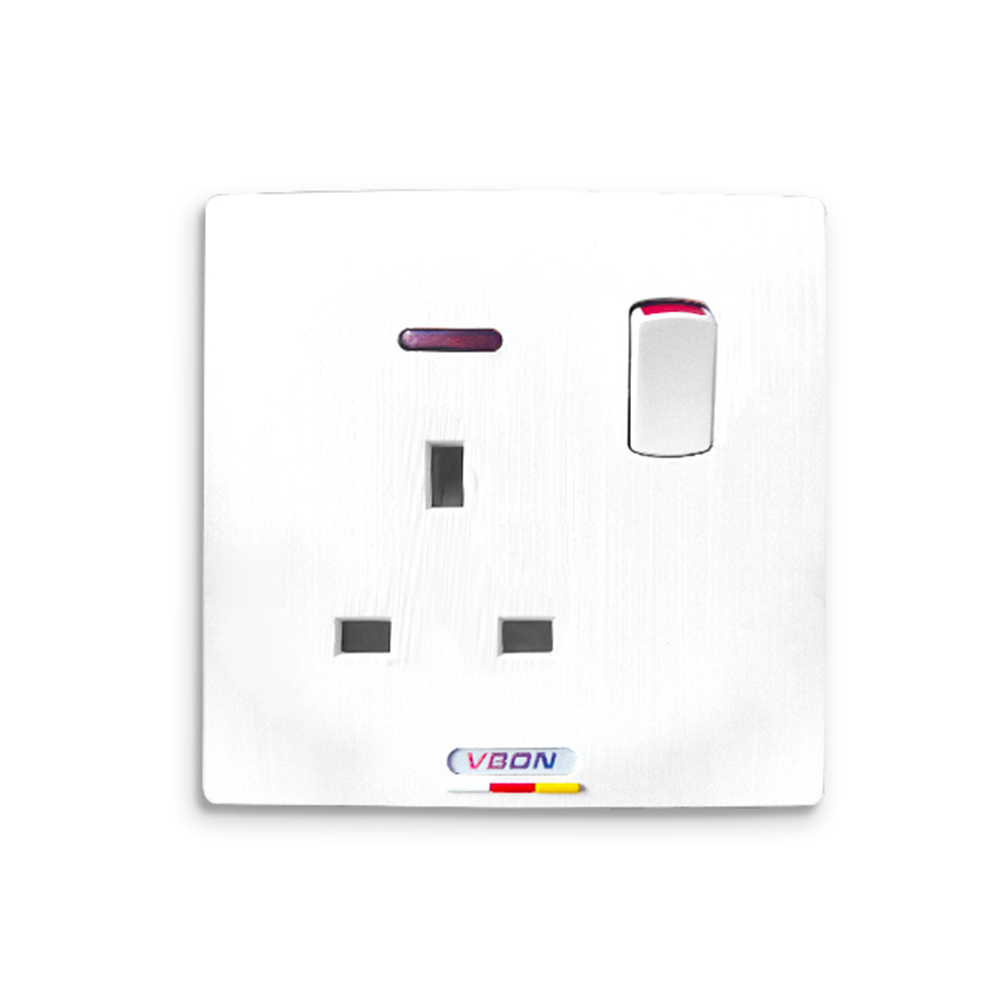
Modern wall switch socket designs have evolved to respond to the range of conditions and preferences found across Africa. Contemporary models often feature clean profiles that suit modern interiors in cities, while maintaining strength for use in areas with more demanding environments. Modular construction allows parts to be adjusted or replaced as needed, providing flexibility in both new builds and renovation projects.
Energy-related features appear in many current designs, supporting efforts to manage consumption in homes and businesses. Some sockets include simple indicators or connections that work alongside solar and other renewable setups, which have gained ground in regions focused on sustainable power. These adaptations help users monitor basic usage without added complexity. Aesthetic choices also play a part, with neutral colors and surface finishes that blend into different architectural styles—from urban apartments to community buildings in rural zones.
The diversity of needs across the continent receives attention through varied product lines. Urban developments may favor compact units that save space, whereas rural or coastal installations often benefit from reinforced builds that handle temperature swings and moisture. Cultural and regional preferences influence appearance, with options that match common decor approaches in different countries. This variety enables wall switch sockets to fit residential spaces, commercial offices, schools, and health facilities alike.